
Successful Completion of the 2nd Regional Short Stay Conference in Heraklion
The 2nd Regional Short Stay Conference was successfully held on Thursday, 23 October in Heraklion, Crete, attracting strong attendance from across the sector. As the official conference of Stama Greece, the event brought together tourism professionals, property managers, institutional representatives, and leading international companies active in the short-term rental industry.
The conference served as an important meeting point for stakeholders across the market, offering valuable opportunities for discussion, networking and knowledge exchange around the future of Short-Term Rentals in Greece and the wider hospitality sector.

Strategic Growth and Innovation in Short-Term Rentals in Crete

The opening of the Short Stay Crete Conference in Heraklion was marked by welcome addresses from two leading figures helping to shape the future of the local economy. Giorgos Agrimanakis, Deputy Mayor for Finance and Tourism of the Municipality of Heraklion, and Markos Kourgiantakis, President of the Department of Business Administration and Tourism at HMU, set the tone for a new era in the short-term rental and tourism sector in Crete.
Their participation highlighted the growing importance of strategic development, innovation and stronger cooperation between local authorities, academia and the hospitality industry, as the region continues to strengthen its position in the evolving short-term rental market.

Crete’s Dominance in Short-Term Rentals: Market Analysis and Data from Lighthouse
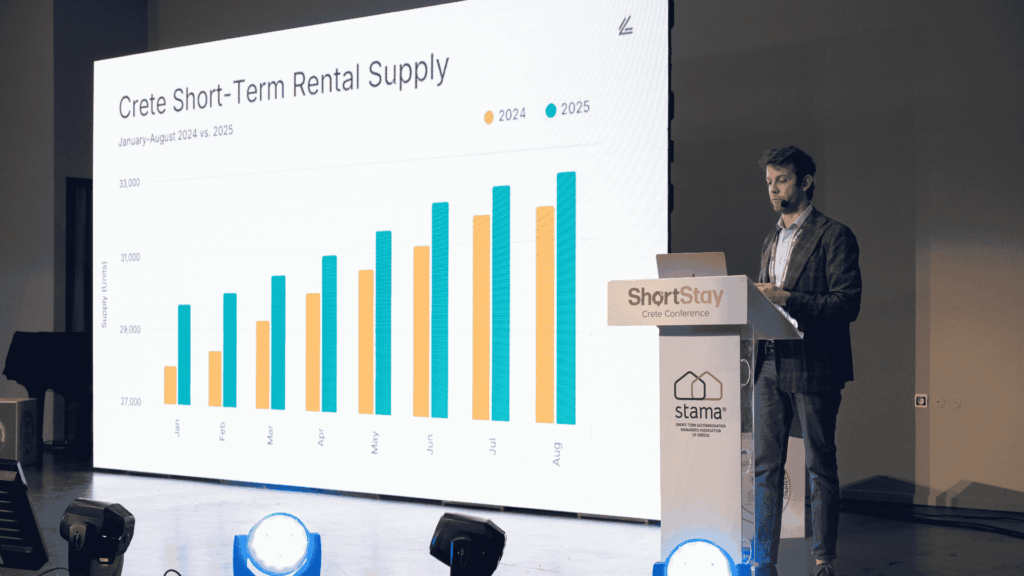
As part of the conference, the opening presentation by Michele Ancillotti of Lighthouse (formerly Transparent) delivered an in-depth strategic analysis of the short-term rental market in Crete.
The exclusive data presented positioned the island as a leading force among competing Mediterranean destinations, including Cyprus, Malta and Majorca.
The figures highlighted Crete’s dominant role in the sector, confirming it as one of the strongest short-term rental markets in Greece. With more than 33,000 properties, the island accounts for 14% of the country’s total short-term rental supply, underlining its scale and strategic importance within the Greek tourism market.
This leadership is also reflected in financial performance, with the average daily rate (ADR) ranging between €275 and €325. This level of performance even exceeds that of traditional hotels in some cases, driven largely by the strong presence of luxury villas, which attract high-value tourism and contribute significantly to the overall growth and professionalisation of property management in Crete.
Strategies for Extending the Tourism Season in Crete: Synergies and Future Prospects

The panel discussion that followed focused on one of the most important goals for property management and local tourism in Crete: extending the tourism season. With the participation of leading market representatives and members of the academic community, the session explored the opportunities and strategies that could help transform Crete into a 12-month destination.
The discussion highlighted the importance of cooperation between tourism businesses, property managers, institutions and education, showing that the extension of the season is not only a tourism objective, but also a strategic priority for the long-term growth of the island’s hospitality sector and short-term rental market.
The discussion featured Deputy Mayor Giorgos Agrimanakis, Professor Giorgos Apladas, Konstantinos Vasilakis of etouri, Michele Ancillotti of Lighthouse, and Kostas Arapoglou, President of ENIDANI.
A shared conclusion emerged from the panel: short-term rentals can play a leading role in attracting travellers during the spring and autumn months. This highlights the sector’s growing importance in supporting a longer and more sustainable tourism season in Crete.
The strategic focus is now on the diversification of the tourism product. Through targeted initiatives, upgraded services and a stronger emphasis on alternative travel experiences, Crete has the potential to maintain high occupancy levels beyond the peak summer season and strengthen its position as a year-round destination.
Institutional Framework and Legislative Developments in Short-Term Rentals

The next panel of the conference focused on the critical issue of the institutional framework, a top priority for every professional involved in property management and short-term rentals.
Stratos Paradias, President of POMIDA, and Theocharis Michailidis of Stama Greece provided an in-depth analysis of the latest developments directly affecting the sector.
The discussion highlighted the importance of closely monitoring new legislation and the restrictions shaping the future of the market. A key message that emerged was the urgent need for strong institutional representation for both property owners and property managers.
The shared objective is to ensure a fair and stable environment for the short-term rental industry, one that protects investment, supports healthy entrepreneurship and allows the sector to grow sustainably.
The panel also reinforced the view that strategic intervention at decision-making level remains essential for the long-term and sustainable development of short-term rentals in Greece.
New Tax Framework and Compliance Strategies in Property Management
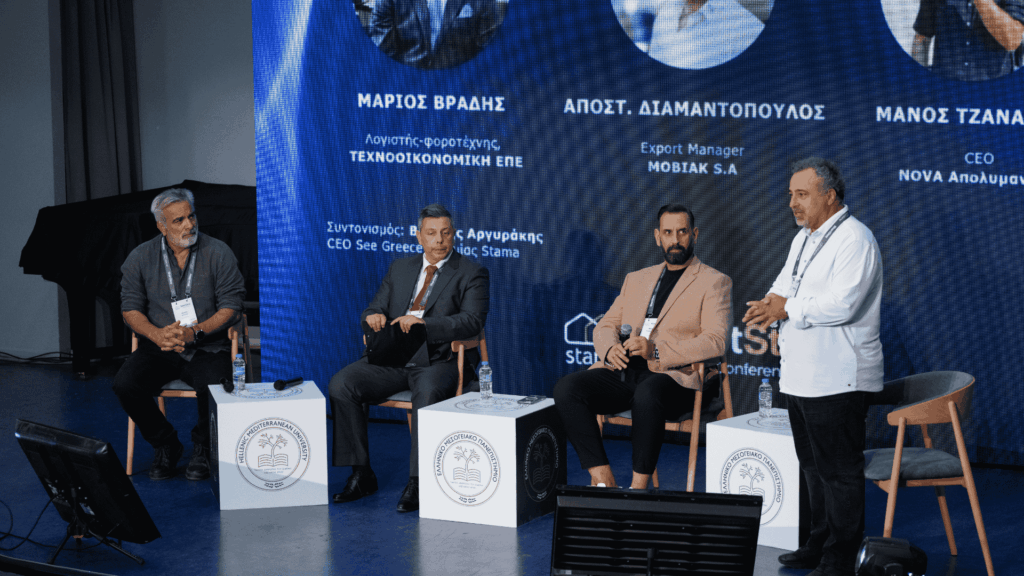
The conference programme continued with a critical analysis of the new tax landscape emerging in the short-term rental sector. Industry experts Marios Vradis, Manos Tzanakakis and Apostolos Diamantopoulos presented the latest changes and the increased obligations that property managers are now required to address.
From a strategic industry perspective, tax compliance is no longer seen simply as a legal obligation, but as a key pillar of credibility and sustainable market growth. As the short-term rental sector becomes more mature and regulated, the ability to operate with transparency and consistency is becoming increasingly important for long-term success.
The discussion highlighted best-practice approaches for managing the new requirements effectively, ensuring that professionals have the right tools and knowledge to navigate a changing regulatory environment with confidence.
The broader objective remains clear: to provide reliable guidance and practical insight so that property management continues to develop as a resilient, efficient and well-protected business activity within the Greek hospitality market.
Technology as a Catalyst for Competitiveness: Automation and Data-Driven Strategies

In the second part of the conference, Alexandros Karavitis, CEO of Hosthub, a Major Sponsor of the event, explained how independent property managers can gain a meaningful competitive advantage in the short-term rental market.
His presentation focused on the democratisation of technology, showing how smaller operators can access the tools and capabilities needed to compete more effectively with larger short-term rental groups.
From an innovation-driven perspective, the approach presented by Hosthub reflects a clear direction for the future of the sector: the use of modular technology, the full automation of operational processes, and the adoption of data-driven strategies as core pillars of growth and competitiveness.
The broader strategic goal remains the empowerment of property managers through modern digital tools, enabling more efficient property management, lower operational costs and a significantly improved guest experience.
The Future of Travel: Artificial Intelligence and Personalisation by Booking.com

Dynamic Pricing and Big Data: The Revenue Maximisation Strategy from Vrbo and Beyond

Dynamic Pricing Strategy: Maximising Revenue and Competitiveness with Beyond

The Future of Travel: Artificial Intelligence and Personalisation by Booking.com
Georgina Sekadaki, representing Booking.com, explored the dominant forces reshaping the global travel ecosystem. Her presentation focused on the three major challenges currently facing the short-term rental sector: the integration of Artificial Intelligence (AI), ongoing regulatory changes, and the rapidly changing behaviour of modern travellers.
Particular emphasis was placed on innovation as a key driver of future growth. Advanced tools such as the GenAI co-pilot are redefining property management by enabling more personalised, intuitive and efficient user experiences. These developments reflect a broader shift towards smarter hospitality services designed to meet the expectations of the next generation of travellers.
Specialised Market Insights from Vrbo
The presentation by Ciaran Lawlor and Manos Meletakos from Vrbo introduced new specialist tools and valuable data focused specifically on the Greek and Cretan short-term rental markets.
Their contribution highlighted the growing importance of market-specific insights, showing how local data and targeted strategies can help property managers make better decisions, adapt more effectively to demand patterns and strengthen their position in an increasingly competitive environment.
Dynamic Pricing Strategy: Maximising Revenue and Competitiveness with Beyond
At the same time, Mónica Melo from Beyond explained the power of dynamic pricing as one of the most effective tools for improving competitiveness and increasing profitability in the short-term rental industry.
The use of big data and advanced pricing algorithms is now a core element of successful property management. By adjusting prices in real time according to market demand, booking patterns and destination trends, property managers can protect profitability, improve occupancy and maximise revenue potential.
The adoption of these innovative solutions is becoming essential for professionals who want to build resilient, data-driven and future-ready hospitality businesses.
Technological Excellence and Strategic Planning in Luxury Accommodation


The afternoon programme of the conference focused on the next chapter of hospitality, with a strong emphasis on advanced technology solutions, innovative booking strategies and the development of luxury accommodation. With the participation of leading companies such as Radefy, Tourmie, SIM READY, TravelStaytion and Idealstay Experience, the session highlighted the tools and services that are transforming property management into a high-end hospitality experience.
The discussion showed that commercial success in short-term rentals begins with the right architectural and operational planning. As underlined during the panel featuring developers and property managers, the creation of smart, functional and aesthetically refined spaces is a decisive factor in maximising the performance of every investment in the luxury accommodation sector.
These insights reinforced the idea that premium hospitality today depends not only on location and design, but also on technology, strategic thinking and the ability to deliver a seamless guest experience.
Αν θέλεις, στείλε μου και το επόμενο section και το συνεχίζω στο ίδιο ύφος.
Specialised Workshops and Networking: The New Era of Property Management


Alongside the main presentations, six specialised workshops took place, covering the full range of today’s market needs. From video marketing and electronic invoicing to smart hospitality, guest experience, loggia automation solutions, and the critical issue of fire safety, participants gained practical tools and actionable insights to improve and optimise their businesses.
A Dynamic Exhibition Area: The Hub of Innovation and Strategic Partnerships
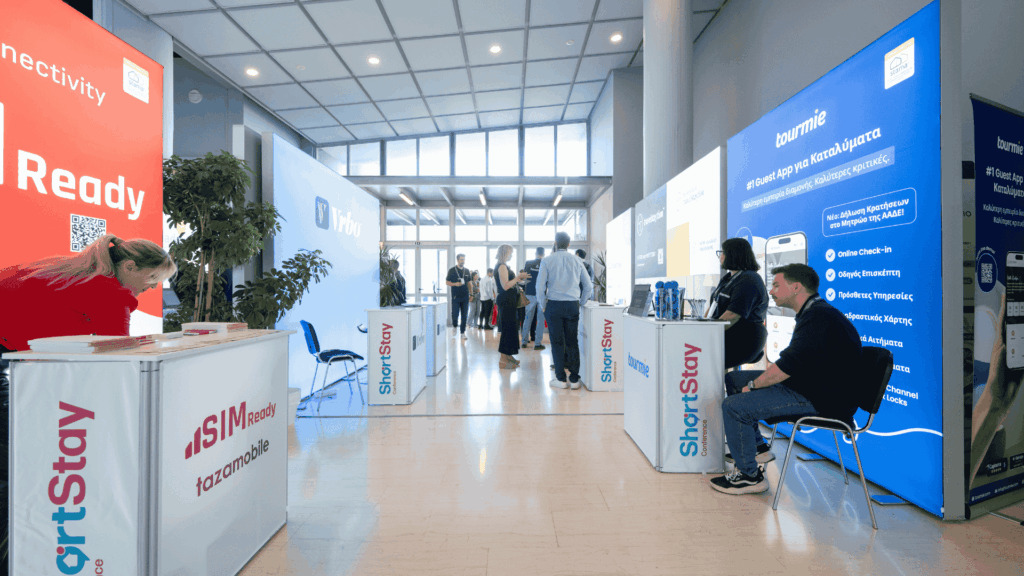

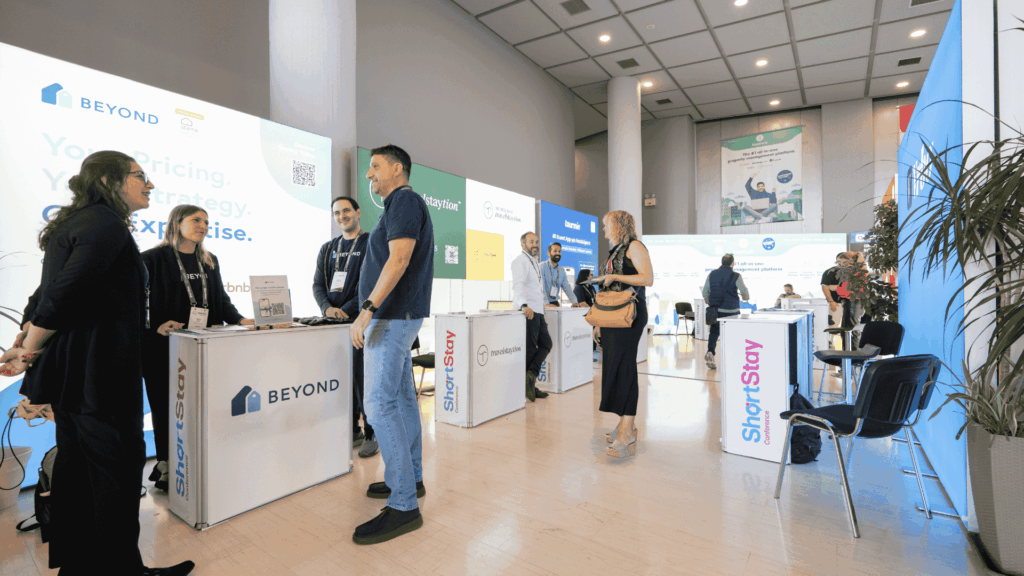

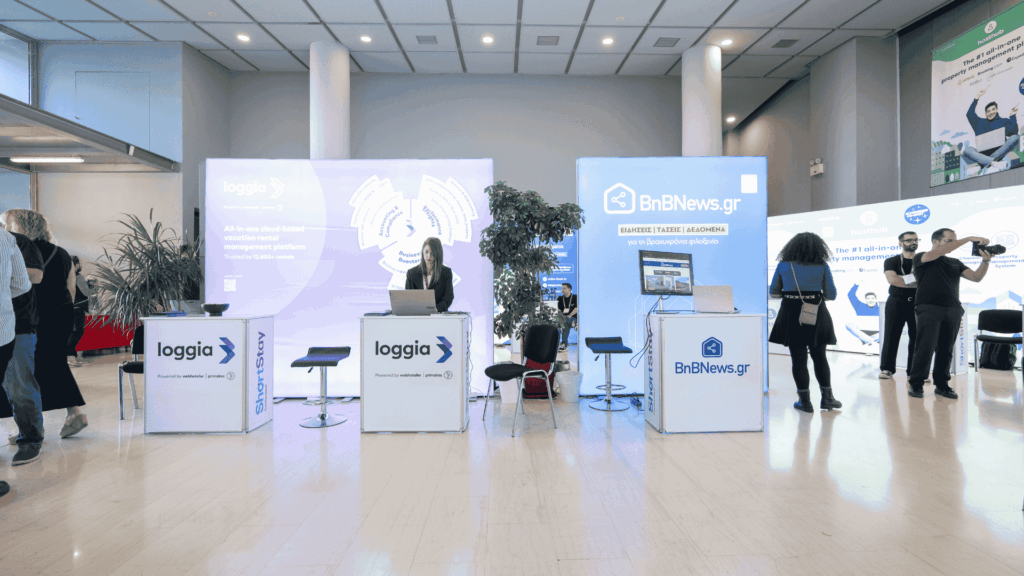

The heart of the conference was the dynamic exhibition area, which became the main meeting point for leading professionals in the short-term rental sector. Top technology companies, service providers and industry representatives showcased the latest solutions in property management, turning the space into a vibrant ecosystem of innovation, collaboration and business opportunity.
Crete as a Model of Sustainable and Technologically Advanced Tourism Development

The conference concluded with a clear message for the future: Crete has all the foundations needed to develop into an international model of sustainable tourism growth. The strategic direction highlighted throughout the event focused on the adoption of technologically advanced solutions and continued investment in knowledge, ensuring that property management in Crete evolves in line with global hospitality trends.
A strong emphasis was placed on collaboration and the strategic diversification of the tourism product. Moving beyond the traditional “sun and sea” model, the focus is now on promoting authentic experiences, innovation and higher-value services that can strengthen the island’s appeal throughout the year.
This approach positions short-term rentals as a key pillar of a more competitive, resilient and profitable tourism economy, capable of supporting year-round growth and a more sustainable future for hospitality in Crete.

